
Millions warned not to drink coffee has become a trending headline after several FDA recalls involving contamination, mislabeled decaf products, glass fragments, and potential botulism risks. While there is no nationwide ban on coffee, these recalls have raised concerns among consumers. Inspection efforts have been directed at unsafe coffee products such as decaf coffee which have residual caffeine, instant coffee with glass, and canned coffee and other products that present a risk of botulism contamination. This resulted in a consumer health alert that is being aired across the country on big stores like Walmart, Dollar General and online. No blanket ban, however, consumers need to be aware of the impact of the different recalls. There are certain groups, such as pregnant women, heart patients and caffeine sensitivities, who are at an increased risk. This article will touch on appropriate information on Millions Warned Not to Drink Coffee.
Why Are Millions Warned Not to Drink Coffee?
In recent years, coffee recalls have primarily been about mislabeling, physical contamination and manufacturing problems. The vast majority were FDA Class II recalls which indicate that they pose a remote risk of temporary and/or medically reversible health effects, especially for those sensitive to the effects of caffeine.
The phrase millions warned not to drink coffee refers to multiple FDA recalls affecting different coffee products across the United States. These recalls involve contamination, labeling errors, and manufacturing issues rather than a blanket warning against all coffee.
Recent Coffee Recalls
- Our Family Traverse City Cherry-Flavored Decaf Coffee: About 692 bags were recalled due to coffee being mislabeled as decaf.
- Nearly 80,000 caffeine-free Keurig Dr Pepper decaf K-Cup pods were recalled in California, Indiana and Nevada due to the presence of caffeine in the k-cup pods.
- Gimme! Coffee Pods: Recalled because testing revealed that decaffeinated products actually contained caffeine in them.
- Clover Valley Instant Coffee (Dollar General): Instant coffee was recalled in 48 states because it may contain glass fragments.
- The canned coffee products were sold under the brand Snapchill LLC Canned Coffee: and the products were recalled due to a concern that the manufacturing processes could allow for the potential of botulism contamination, though no illnesses were reported.
Foreign Objects in your Cup are Considered Physical Contaminants
The most problematic cases involve physical contaminants that can cause actual harm.
- Kirkland Signature Colombian Cold Brew Coffee: In February 2023, around 2.7 million cans were recalled, with one can having a metal bolt found in them. Products sold in over a dozen states were included in the recall and the FDA classified the products as Class II.
- 2023: Starbucks Vanilla Frappuccino Bottled Drinks – 25,200 cases (> 300,000 bottles) – in case glass fragments were found in the bottles.
- Starbucks Canned Coffee Products: more than 250,000 cases were disposed of due to the failure to seal the containers which could cause the coffee to spoil in 2022.
Botulism Risk: The Most Serious Threat
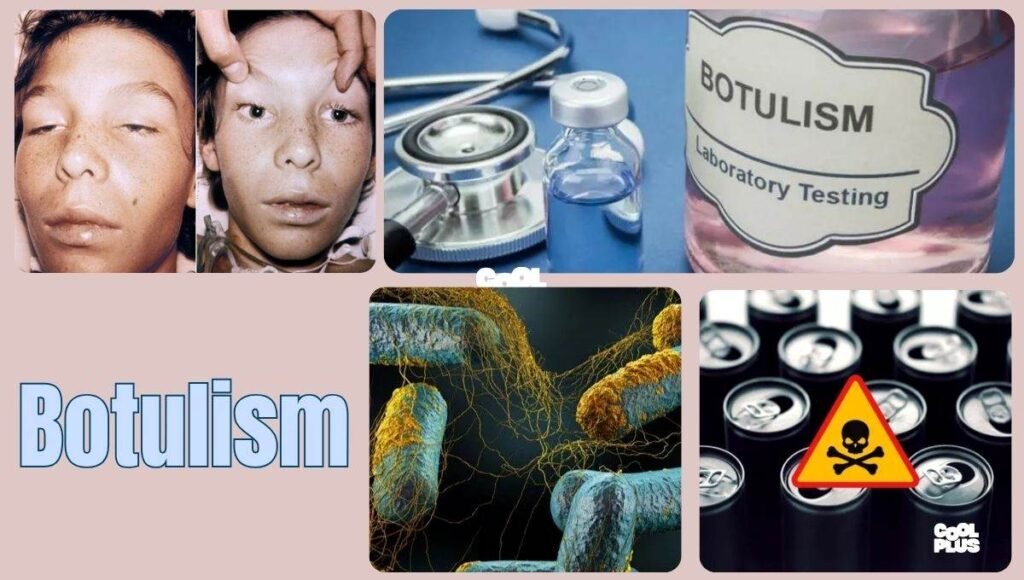
One of the biggest reasons millions warned not to drink coffee became a widely discussed topic was the Snapchill canned coffee recall over potential botulism contamination. Canned coffee is indeed a growing coffee segment in the market, and this is why Snapchill LLC, which manufacturers and markets hundreds of varieties of canned coffee, has been the subject of the biggest coffee recall in history, albeit voluntary, in June of 2024, in response to concerns of botulinum contamination.
Unaware of Wisconsin’s recall, Snapchill LLC, headquartered in Wisconsin, has recalled nearly 550,000 cans sold in the United States and Canada. The products were of different brands and with dates of expiry from June 16, 2024, to April 16, 2025. But the company had never provided FDA with its procedure for the reduced-acid canning method, and it was there that these Clostridium botulinum bacteria had the potential to form toxins capable of killing.
This was considered by the FDA to be a Class II recall because use of or exposure to the violative product could result in a temporary or medically reversible adverse health effects or there is a slight likelihood of serious adverse health effects. There were no reports of illness at the time of the recall, and it was recommended as a precautionary measure.
Salmonella Contamination
As of May 2026, more than 600 bags of Royal coffee powder purchased in New York and New Jersey have been recalled due to a possible Salmonella contamination issue. This type of coffee recall was classified by the FDA as a Class I, which is the most critical classification, because use of the affected product(s) could result in serious adverse health effects or death. The products are Royal Gold French Vanilla Cappuccino powder, Royal Gold Dutch Mocha Cappuccino powder and Angel Caramel Latte powder.
Chemical Contamination and Undeclared Drugs
Califia Farms Arabica Coffee Mocha Cold Brew: More than 24,000 cases were called back in August 2018 due to a momentary error with industrial cleaners during the cleaning of its pasteurizer.
In 2021, all lots were taken off of the market because the product contained undeclared fluoxetine (depression medication) and sibutramine (weight loss drug off the market due to cardiovascular risks) The product was sold as a weight loss supplement and was marketed online all over the country.
What’s Really in your Coffee? Pesticide Concerns
There is an even larger problem related to the pollution of coffee beans by pesticides. The NGO Coffee Watch recently released a report called “Poison in Your Coffee,” alerting to the chemicals that are being used in coffee production around the world.
Key Findings of Coffee Watch Report
Based on the analysis of hundreds of scientific studies, the report showed the following:
- Coffee is one of the crops with the highest levels of pesticides use worldwide! Coffee grower farms in Kenya consume about 25% of all pesticides, but cover only 1% of farmland.
- The number of pesticides used in the production of coffee is 159. Approximately 60% of these are prohibited in the European Union for reasons of protecting human health and the environment.
- Some of these chemicals may be cancer-causing, neurotoxic or toxic to reproductive health. These include products such as chlorpyrifos, which was banned in Europe in 2020 because it posed a risk to pollinators’ and children’s brain development, and imidacloprid, which is known to be harmful to bees and pollinators.
- 23% of coffee samples tested in Europe contained pesticide residues that are banned in the EU.
Who is at more risk?
It, however, highlights that the biggest threat is not to consumers, but to coffee workers. There are about 100 million workers in the coffee industry worldwide but many do not have proper protective gear.
- 87% of farmers in the Dominican Republic do not wear gloves or masks during pesticide spray.
- Approximately 67% of all workers in India are not protected.
Exposed workers experience immediate symptoms such as nausea, dizziness and skin complaints, and risk long-term diseases such as cancer, fertility problems and Parkinson’s disease.
Is there Pesticide Residue in Your Cup?
About 20% of coffee cups consumed contain pesticide residues, according to the report’s authors. The concentration is generally not higher than the limits set by the regulators, but the exposure to a combination of pesticides has sparked concern for health advocates, especially in light of many pesticides being prohibited in other countries.
Health Risks: Understanding the Danger
Caffeine-Related Risks
Although headlines state millions warned not to drink coffee, the warning mainly applies to recalled products and individuals who are especially vulnerable to caffeine or contaminated foods. The FDA says that moderate levels of caffeine consumption (up to 400 mg daily, which is about 2-3 cups of coffee a day) doesn’t have any negative health effects on most healthy adults. But there are certain groups of people and circumstances where caffeine can be a serious problem, according to the FDA and other health agencies.
Who should limit their intake of caffeine?
- Pregnant women: Caffeine reaches the fetus. Health officials recommend limiting intake to 200 mg daily.
- Individuals with heart disease: Caffeine can elevate heart rate, blood pressure, and trigger palpitations in sensitive patients.
- Individuals with Anxiety disorder: Caffeine may make people feel more anxious, nervous and have trouble sleeping.
- Some drugs: Caffeine interacts with asthma, antibiotic, heart, or ephedrine medications, risking severe complications.
- Children and teenagers: Experts advise against energy drinks for youth due to sugar and caffeine. Dietary Guidelines advise avoiding caffeinated drinks under age two. Dietary Guidelines advise avoiding all caffeinated drinks for children under two.
Symptoms of consuming too much caffeine
Too much caffeine may cause the following symptoms:
- Cardiovascular: Elevation of heart rate, heart palpitations and hypertension.
- Gastrointestinal: diarrhea and vomiting, nausea, loss of appetite, bloated stomach, constipation
- Sleep: insomnia/sleep disruptions
- Digestive: Upset stomach, nausea, vomiting (Gastroesophageal reflux disease (GERD))
- Other: More urine, dehydration
Risk of Pure Caffeine Products
FDA has given specific warnings concerning pure and highly concentrated caffeine. Consuming high amounts of caffeine quickly can be toxic, causing seizures, with about 1,200 mg (less than half a teaspoon of caffeine powder). 5 to 10 grams of pure caffeine (1-2 teaspoons) may be life-threatening or fatal.
Germany’s BfR warns pure caffeine powder poses severe overdose risks using standard home kitchen scales. The recommended dose is 200 mg which is not a measurable quantity, but equivalent to about a pinch.
Know about the Risk for Botulism
Improperly canned foods create warm, oxygen-free conditions where Clostridium botulinum produces deadly toxins. Symptoms include:
- Difficulty swallowing
- Muscle weakness
- Double vision, drooping eyelids or blurred vision.
- Slurred speech
- Difficulty breathing
- Difficulty with eye movements
About 5-10% of patients die of botulism and antitoxins should be administered immediately. Foodborne botulism is a very uncommon form of botulism (about 25 cases per year in the U.S.) but due to its severity, the precautionary recalls are warranted.
Official Statements and Regulatory Actions
The FDA has clarified that the reports of millions warned not to drink coffee are linked to specific recalled products rather than all coffee sold in the United States. The FDA has been proactive in the oversight of the safety of coffee. The agency says that food companies must ensure that if they use caffeine in their products, they are safe for consumption and must be appropriately labeled.
California Proposition 65: Coffee and Cancer
Recently, the California Office of Environmental Health Hazard Assessment (OEHHA) ruled that chemicals formed during the coffee roasting and brewing process are not considered to be a risk for cancer in 2019. This decision came as a result of a World Health Organization review of more than 1,000 studies, which concluded there wasn’t enough evidence to demonstrate drinking coffee causes cancer. Indeed, coffee drinking seems to lower the risk of liver cancer and endometrial cancer.
But, OEHHA says, if a coffee product contains a substantial amount of a listed chemical that was deliberately added to the product or was added to the product as a byproduct of some other process, other than regular roasting or brewing, a Proposition 65 warning might still be required.
What Consumers Should Do?
If you bought any of the recalled products, please do the following:
- Check your pantry: Match up packages with the recall information (UPC codes, best by dates, lot codes, and states involved).
- Avoid eating suspected to be contaminated or mislabelled food.
- Properly get rid of or return the product to the store to get a refund.
- Call the company for a refund.
- Call FDA MedWatch or call poison control for adverse effects.
In the case of non-recalled coffee, all the usual practices hold true:
- Only purchase from trusted sources.
- Keep coffee in a place where it won’t get moist and go mouldy.
- Moderate consumption – keep consumption within 400mg of caffeine per day as advised by FDA.
- Pregnant or nursing women: Not more than 200 mg per day.
Verdict
The headlines warning millions of people not to drink coffee might be alarming, but these are measured words. There has never been a do-not drink alert for all varieties of coffee nationwide. But the extent of multiple recalls that impact hundreds of thousands of units from top brands and retailers has justifiably sparked consumer awareness. Most U.S. sold coffee is safe to drink. It is important for consumers to be alert, ensure their kitchens are free of recalled products and pay attention to their intake of caffeine. Most food safety recalls are voluntary and there have been no reported illnesses in many instances, indicating the success of the current food safety system. In sum, this is a stark reminder of the need for supply chain transparency and regulation and an alert for consumers that some basic precautions will keep them safe and allowed to enjoy coffee.
Frequently Asked Questions (FAQs)
A1. Not necessarily; only certain products that have been recalled are affected. The majority of coffee is safe.
A2. Symptoms can be tremors, vomiting, diarrhea, fast heart rate or in severe cases, symptoms of botulism.
A3. The safe daily dose of caffeine for most adults is 400 mg.
A4. DISCONTINUE USE RIGHT AWAY. Return or discard the product; contact the manufacturer.
A5. No, recent studies indicate that there is no link between normal coffee consumption and cancer.
Also Read: Amazon Vine Login: How to Sign In, Access Your Account, and Fix Common Login Issues

