
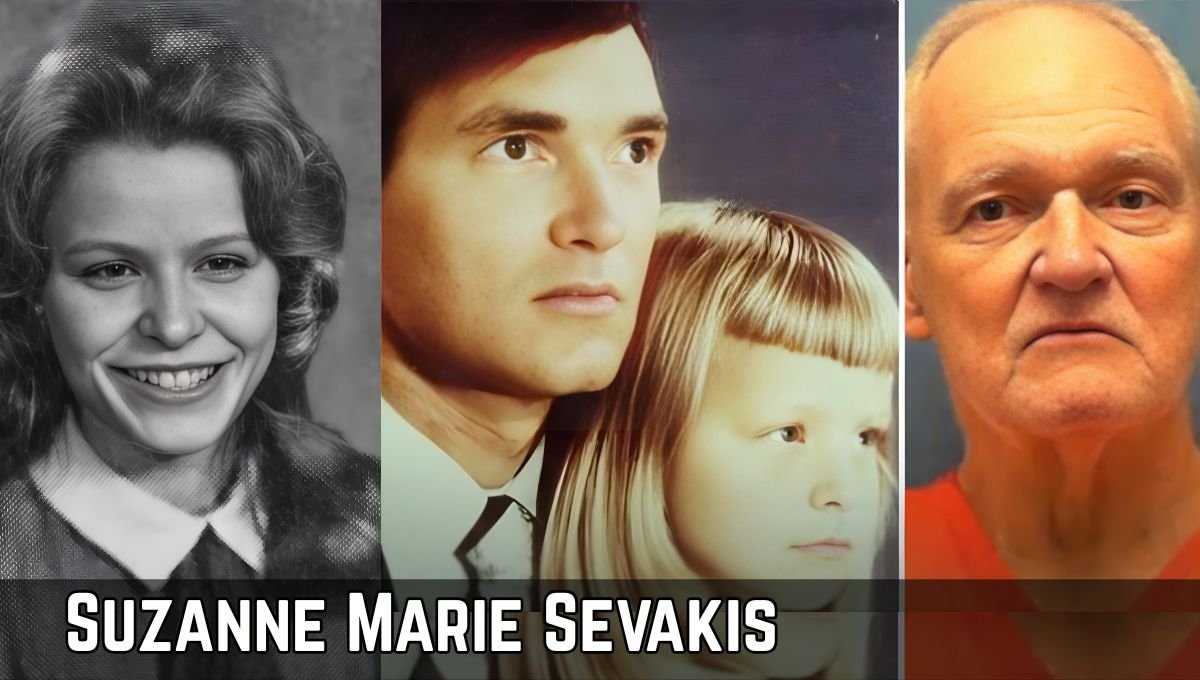
Suzanne Marie Sevakis lost her life early. Born in 1969, she was about five years old when Franklin Delano Floyd, her mother’s ex-husband kidnapped her. For the next 15 years, Floyd raised her under false names, mainly Sharon Marshall and later Tonya Dawn Hughes, and subjected her to systemic abuse, constant relocation, and exploitation. Her resilience in the face of unimaginable control ended in a suspicious hit-and-run death at age 20 in 1990. Decades later, DNA evidence and Floyd’s own confessions revealed her true identity, along with crimes including murder and child abduction. Netflix’s documentary Girl in the Picture later featured her case, exposing the shortcomings of early missing persons response and the ongoing struggle for victim identification and justice.
Who was Suzanne Marie Sevakis?
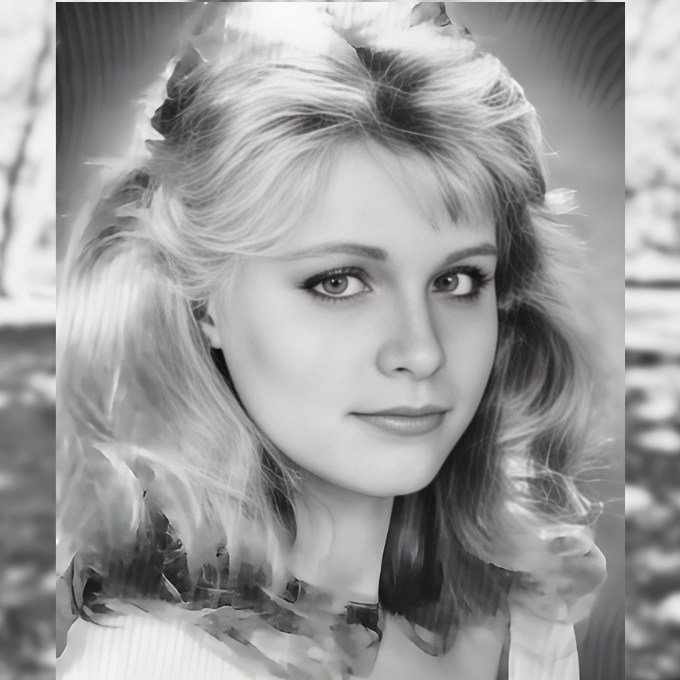
Suzanne Marie Sevakis was a bright, aspiring young woman whose potential was cut short. Captivity and manipulation defined much of her life. As the oldest child of Sandra Chipman and Clifford Sevakis, she excelled as a student and dreamed of becoming an aerospace engineer. Instead, her abductor forced her into disguises, coerced her into exotic dancing, and sexually abused her — the same man who later “married” her. She gave birth to at least two children, both of whom were adopted. Although her 1990 death in Oklahoma City went unsolved for years, investigators identified her body in 2014 and restored her name, exposing a decades-long crime circle involving Franklin Delano Floyd. Her case now represents resilience and the strength found in perseverance.
Early Life and Family Background
Suzanne Marie Sevakis was born in Livonia, Wayne County, Michigan, on September 6, 1969. Her mother, Sandra Chipman (later Sandra Willet or Sandra Brandenburg), was still a teenager at the time, and her father, Vietnam War veteran Clifford “Cliff” Sevakis, was often absent. When Cliff returned from the war, the couple divorced, and Sandra later married Dennis Brandenburg, with whom she had three more children: daughters Allison (b. 1971) and Amy (b. 1972), and son Philip “Stevie” Brandenburg (b. 1974).
By 1974, Sandra was a struggling single mother of four, and Franklin Delano Floyd, then traveling under the alias Brandon Williams, met her at a North Carolina truck stop. Despite a criminal record that included jail time for kidnapping and raping a young girl, he came across as helpful. The two soon married, and Floyd took on the role of stepfather to Sandra’s four children.
In 1975, a court sentenced Sandra to 30 days in jail for writing a bad check for diapers. She left her children in Floyd’s care. When she got out, she found all four children gone. Church workers eventually located Allison and Amy at a children’s home and reunited them with their mother. Philip, then less than a year old, was adopted and didn’t learn of his true origins until 2019, through DNA matching. Suzanne, about five years old, remained with Floyd.
Abduction and Life Under Floyd’s Control
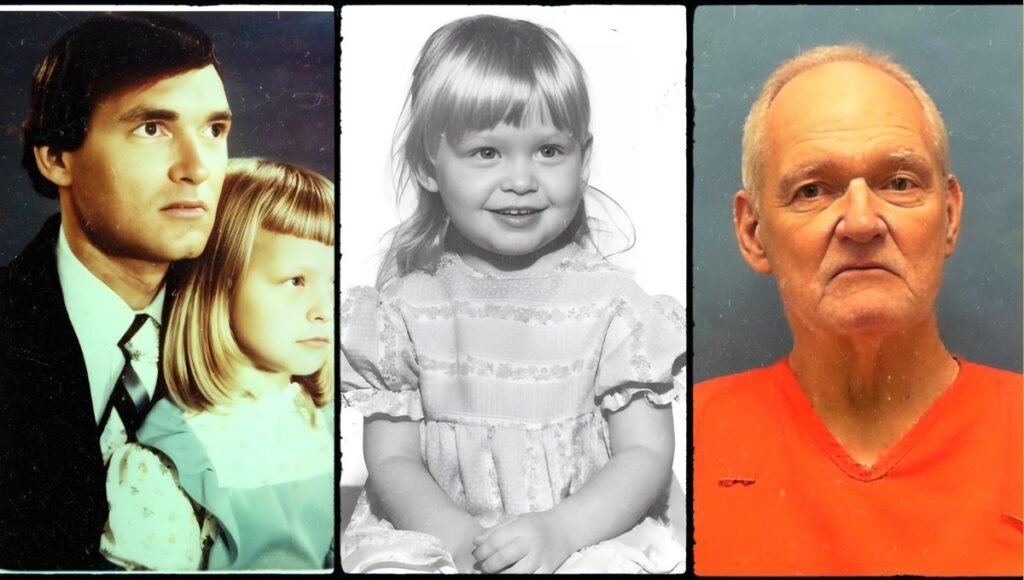
Floyd raised Suzanne as his own daughter under the name Sharon Marshall, along with occasional other aliases. The pair moved constantly from state to state to avoid detection. At school, friends and teachers knew Suzanne as intelligent, friendly, and mature, and she even earned a scholarship toward her goal of becoming an aerospace engineer. Behind that façade, Floyd sexually abused her throughout her childhood — a pattern later confirmed by recovered photographs.
By the mid-1980s, the pair had settled in the Atlanta, Georgia area, where “Sharon” attended Forest Park High School. She became pregnant as a teenager, and the family reportedly placed that child up for adoption. Floyd blocked her from attending college. The two later moved to Tampa, Florida, where Suzanne worked as an exotic dancer alongside him. In 1988, she gave birth to a son, Michael Anthony Hughes; DNA testing later ruled out Floyd as the biological father.
In 1989, Floyd and Suzanne relocated to New Orleans and married under new names: Clarence Marcus Hughes and Tonya Dawn Tadlock, later Tonya Hughes. Around this time, Suzanne gave birth to a daughter, Megan, whom the DuFresne family later adopted. The couple then moved to Tulsa, Oklahoma, with Michael.
Disappearance, Death, and Initial Investigations
Around April 25, 1990, someone found Tonya Hughes, 20, badly injured on a service road off Interstate 35 near Oklahoma City, surrounded by scattered groceries — injuries consistent with a hit-and-run. “Clarence Hughes” identified her at the hospital. She never regained consciousness and died on April 30, 1990. Her obituary listed her as Tonya Hughes, and she was buried under that name. Friends and associates later said she had planned to leave Floyd and had faced threats from him. Investigators long suspected Floyd in her death but never charged him.
After Suzanne’s death, the Bean family took Michael in as a foster child. Although DNA testing had already disproved Floyd’s claim of biological fatherhood, he abducted the six-year-old at gunpoint from Indian Meridian Elementary School in Choctaw, Oklahoma, on September 12, 1994, after tying up the school’s principal, James Davis. He used the alias “Clarence Hughes” during the abduction, triggering a major FBI manhunt. Authorities recaptured Floyd later that year in Kentucky. No one has seen Michael since.
Connection to Franklin Delano Floyd and Broader Crimes
Born on June 17, 1943, Floyd built a lengthy criminal record dating back to the 1960s, including kidnapping and sexual offenses, and spent years as a federal fugitive. The investigation into Michael’s disappearance ultimately exposed Floyd’s true identity and his connection to Suzanne. In Tampa, under the alias Warren Marshall, Floyd became linked to the 1989 killing of fellow exotic dancer Cheryl Ann Commesso. Investigators discovered her skeletal remains in 1995, and photographic evidence tied Floyd to the murder.
In 2002, a court convicted Floyd of Commesso’s murder and Michael’s kidnapping and sentenced him to death, plus additional time for the kidnapping. He remained on death row until he died of natural causes in prison on January 23, 2023, at age 79.
Uncovering Suzanne Marie Sevakis Identity
For decades, “Sharon Marshall”/”Tonya Hughes” remained unidentified. Renewed interest in the case — spurred by Matt Birkbeck’s books A Beautiful Child (2004) and Finding Sharon — led the FBI to reopen the investigation. In 2014, FBI Special Agents Scott Lobb and Nate Furr interviewed Floyd, who confessed to abducting Suzanne in 1975. Her identity was then confirmed through DNA testing matching Sandra Chipman’s family, officially revealing that “Tonya Hughes” was Suzanne Marie Sevakis. Her tombstone, which had listed her only as Tonya Hughes, was later updated to reflect her true identity.
Floyd also admitted to killing Michael on the same day he abducted him in 1994, claiming he shot the boy twice in the back of the head. Despite extensive searches, Michael’s remains have never been found.
Legal History Timeline
- 1969: Suzanne born
- 1974–1975: Floyd marries Sandra; while evading capture, takes the children, including Suzanne
- 1975–1980s: Suzanne grows up as “Sharon Marshall,” moving frequently and enduring abuse
- 1988: Michael Anthony Hughes born
- 1989: Clarence and Tonya Hughes marry; daughter Megan born and later adopted
- April 1990: Suzanne dies from hit-and-run injuries
- 1994: Michael is abducted; Floyd is later arrested
- 2002: Floyd sentenced to death for Commesso’s murder and Michael’s kidnapping
- 2014: Suzanne’s identity confirmed through DNA; Floyd confesses to Michael’s murder
- 2023: Floyd dies in prison
Documentary Girl in the Picture and Lasting Impact
Director Skye Borgman brought the case to Netflix in the 2022 film Girl in the Picture, featuring interviews with family members — including Sandra Willet and Cliff Sevakis — investigators, friends, and Suzanne’s adopted daughter, Megan DuFresne. The documentary portrays Suzanne as a bright young woman denied a normal life. It also highlights systemic failures, including an inadequate 1975 investigation into her disappearance, since Floyd was her stepfather, and missed connections that might have stopped him sooner.
The case remains a reminder of the weaknesses in missing persons investigations, particularly those involving children abducted by family members or living under aliases. It underscored the importance of DNA databases, cross-jurisdictional collaboration, and persistent investigative reporting, and it continues to inform discussions about identity manipulation in criminal cases, long-term abductions, and cold case resolution.
Conclusion
Suzanne Marie Sevakis’ case stands as one of the most tragic and intricate child abduction cases in U.S. history. Franklin Delano Floyd kidnapped her as a young girl and raised her under a fabricated identity, subjecting her to years of abuse and control. Only after her death did DNA evidence reveal her true identity, decades later. The investigation exposed serious flaws in how officials handled missing persons cases and underscored the importance of forensic science and interstate cooperation. Through continued awareness, renewed investigations, and a broader commitment to justice, Suzanne’s legacy lives on for victims of long-term abuse.
FAQs
A1. A victim of child abduction who lived under the false identities Sharon Marshall and Tonya Hughes.
A2. Franklin Delano Floyd, a convicted criminal, kidnapped her in 1975.
A3. Through DNA testing and Floyd’s confession in 2014.
A4. A Netflix documentary about Suzanne’s life story and the search for her true identity.
A5. She died on April 30, 1990, in Oklahoma City, following a suspicious hit-and-run.
Also Read: Chris Hansen Is Back in the Spotlight — And This Time, Robert Pattinson Is Playing Him

